
Requirement
Surplus materials, assets, equipment or a site-clearance requirement.
When materials, equipment or business assets are no longer required, their useful or material value may not necessarily end there.
Prime Services works with corporate, commercial and industrial requirements to assess what is available, understand its condition and identify practical routes for recovery, reuse or appropriate onward handling.
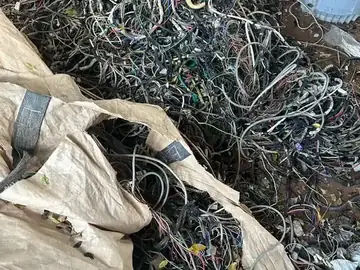
Office furniture can become surplus. Machinery can reach the end of its requirement at one site. Electrical materials may emerge during refurbishment. Ferrous and non-ferrous materials can arise through dismantling, maintenance and clearance work.
The first question therefore shouldn't always be “How do we dispose of this?”
What exactly do we have — and what can happen to it next?Surplus materials, assets, equipment or a site-clearance requirement.
Understand type, condition, approximate quantity, location, access and scope.
Identify categories so different materials can be handled according to their characteristics.
Identify items or materials that retain useful, commercial or recoverable value.
Select an appropriate onward path based on material, condition and applicable requirements.
Where appropriate: continued use, recovery, recycling through suitable downstream channels or another applicable route.
A commercial clearance can include furniture, metal, electrical materials, equipment and other assets. A dismantling requirement may produce several different recoverable material streams.
Treating everything identically can overlook remaining asset or material value. Prime Services approaches suitable requirements by first understanding what is present, rather than assuming everything has the same destination.
Iron, steel and related material categories.
Aluminium, copper and other applicable non-ferrous materials.
Cables and suitable electrical materials from commercial and project requirements.
Assessed according to type, condition and requirement.
Furniture and suitable assets arising from relocations, closures and workplace changes.
Suitable electronic and IT-related materials, subject to their nature and applicable handling requirements.
Understand the site, materials, quantities and operational conditions.
Different materials can require different handling and onward routes.
Plan access, handling, loading and clearance around the actual site requirement.
What happens next depends upon material type, condition and applicable requirements.
Relocation, renovation or closure can leave furniture, equipment, electrical materials and other surplus assets.
Assets no longer required by one business may still retain commercial or usable value.
Site work can expose multiple material categories that benefit from identification and segregation.
Industrial and commercial operations can generate recoverable ferrous, non-ferrous, electrical and other materials.
The nature of the material or asset comes first.
Useful and recoverable value should be considered before something is simply treated as waste.
Segregation can support more appropriate onward handling.
Environmental credibility requires evidence. Prime Services will communicate measurable impact when reliable records support those claims.
Responsible environmental reporting requires reliable information. Future reporting can be built around verified operational records rather than estimates presented as facts.
Corporate sustainability language means more when visitors can see the environments, materials and requirements behind it.
Explore Projects & Field Journal
Share photographs, approximate quantity, material or asset details and your location. Where appropriate, we can understand the requirement further through a site assessment.
Scrap • E-Waste • Asset Liquidation • Demolition
Shed 6, 130, 29th Main Road, N.S. Palya,
BTM Layout 2nd Stage, Bilekahalli,
Bengaluru 560076.


